

The stadium lights hum with electric intensity. Thousands of voices merge into a single, deafening roar. It is late in the fourth quarter now. Your team faces a critical 3rd-and-short. Suddenly, the quarterback barks a loud cadence. The whistle screams immediately. A yellow flag spirals through the air. The drive extends without a single yard earned through sweat. The official signals a dead ball. This confirms that encroachment in football has turned a defensive masterpiece into a nightmare.
This mistake is not just a minor technicality. Rather, it is a psychological blunder. Such errors can haunt a franchise for an entire season. For a professional athlete, an inch marks the difference between a sack and a loss. I have seen elite pass rushers lose their cool in one premature lunge.
What Is Encroachment in Football? Defining the Dead-Ball Foul
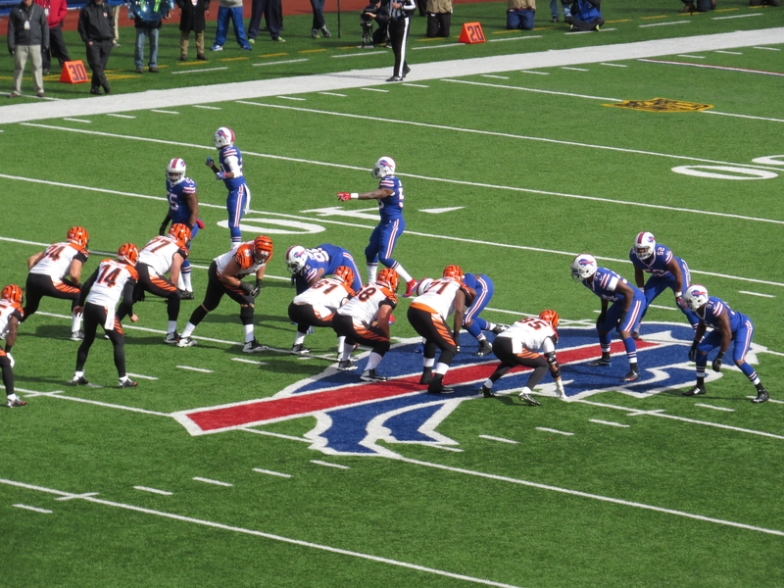
To master the game, one must understand the rules clearly. At its core, encroachment in football is a pre-snap penalty against the defense. It occurs when a defensive player crosses the line of scrimmage. Furthermore, they must make contact with an opponent before the ball is snapped.
Unlike other movements, this is a dead-ball foul. Therefore, the officials whistle the play dead instantly. There is no “free play” for the quarterback. The moment jersey-to-jersey contact occurs, the sequence ends. Consequently, the referee awards the yardage to the offense.
The Anatomy of the Infraction
- The Actor: Usually, a defensive tackle or an over-eager edge rusher commits the foul.
- The Action: The player breaks the plane of the neutral zone and touches an opponent.
- The Trigger: Quarterbacks often use a hard count to cause a subtle flinch.
- The Result: The referee assesses a 5-yard penalty and replays the down.
NFL vs. NCAA: Why Saturdays and Sundays Are Not the Same
Confusion often arises among the American audience regarding college versus pro rules. While the terms remain the same, the application of encroachment in football shifts significantly.
The Professional NFL Rulebook
In the professional ranks, the league focuses heavily on the defense. The NFL rulebook defines it as a defender making contact with an offensive player. However, a safety caveat also exists. If a defender has a clear path to the quarterback, the refs blow the whistle. They do this to protect the passer from a blindside hit.
The Collegiate NCAA Philosophy
In contrast, NCAA rules treat this as an offensive sin. In college, encroachment happens when an offensive player enters the neutral zone. This occurs after the snapper touches the ball. If a defender crosses the line in college, officials call it offside.
Pre-Snap Penalty Comparison Chart
| Penalty Type | Committed By | Primary Trigger | Status |
|---|---|---|---|
| Encroachment | Defense | Physical contact with opponent | Dead Ball |
| Offside | Defense | Beyond the line at the snap | Live Ball |
| Neutral Zone Infraction | Defense | Causes offense to false start | Dead Ball |
| False Start | Offense | Sudden movement before snap | Dead Ball |
Encroachment vs. Offside: The Crucial Distinction
When a flag flies, the debate usually begins at the sports bar. Fans ask if the call was offsides or encroachment. While both cost five yards, the difference lies in the whistle.
- Offside: A player is on the wrong side at the snap. This is a live-ball foul. Thus, the play continues. This gives quarterbacks a chance for a deep shot.
- Neutral Zone Infraction: A defender’s movement causes an offensive player to false start.
- Encroachment: A player crosses the line and makes contact before the snap. This kills the play. Consequently, there is no shot at the end zone.
The Mental Game: Why Disciplined Coaching Wins Championships
Coaches like Andy Reid emphasize pre-snap discipline for a reason. Specifically, encroachment in football is an unforced error. In a tight league, giving away five yards on a goal-line stand is devastating.
Impact on Game Flow
An encroachment penalty can change everything. For example:
- Extend a Drive: It turns a 3rd-and-2 into a first down.
- Shift Momentum: It revives a struggling offense after a stop.
- Burn the Clock: It gives the offense more time to lead.
Frequently Asked Questions: Clearing the Confusion
To ensure you never miss a beat during the next broadcast, here are the most common queries regarding this pivotal penalty.
Can an offensive player be called for encroachment in the NFL?
No. In the professional league, if an offensive player moves, it is labeled a False Start. Encroachment remains a defensive infraction.
Is encroachment an automatic first down?
No. It is a five-yard penalty. If the distance to the first down was five yards or less, then the yardage awarded will naturally result in a new set of downs.
Can a team decline an encroachment penalty?
Technically, yes. However, since the play is whistled dead immediately (dead-ball foul), there is no yardage or outcome to gain by declining it, unless the team prefers a specific field position for a kick.
What happens if both teams move at once?
If the defender moves into the neutral zone first and makes contact, it is encroachment. If the offensive player flinches without contact from the defense, it is a false start.
Master the Field: Final Thoughts on Game Discipline
Encroachment in football is more than a line in a rulebook. It is a testament to the psychological warfare occurring on every single snap. It is the razor’s edge between a sack that ends a drive and a penalty that loses a game. Understanding this rule doesn’t just make you a more informed fan—it allows you to see the hidden chess match being played in the trenches.