


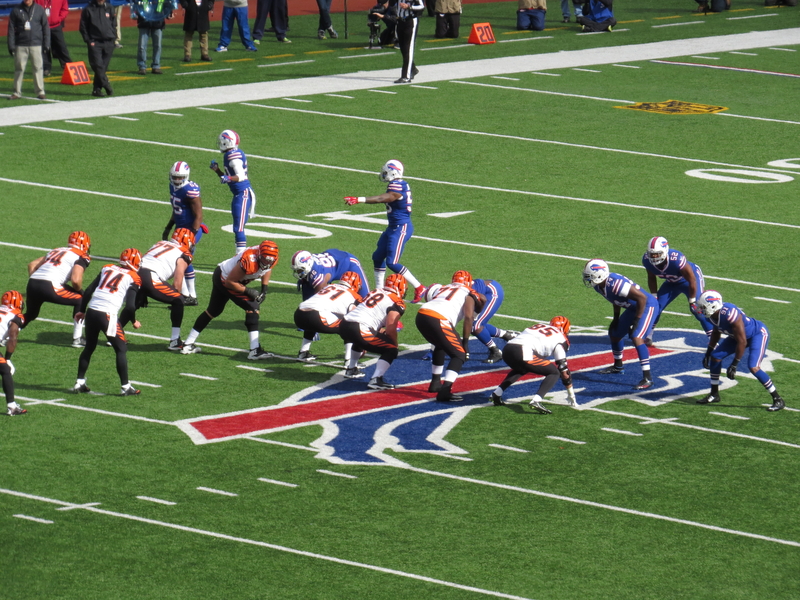
In the high-stakes world of the NFL, a game can turn on a single yellow flag before the ball even moves. To the casual fan, the sight of a referee signaling a pre-snap penalty might seem like a minor technicality. However, for a veteran coach or an elite quarterback, it represents a breakdown in discipline—or a calculated tactical victory.
Mastering the rules around your position in American gridiron football is the first step toward truly understanding the game’s deep strategy. Whether you are a defensive end looking for an explosive first step or a quarterback trying to “bait” the line, the offside rule is the invisible boundary that governs every snap.
What Is Offside in Football?
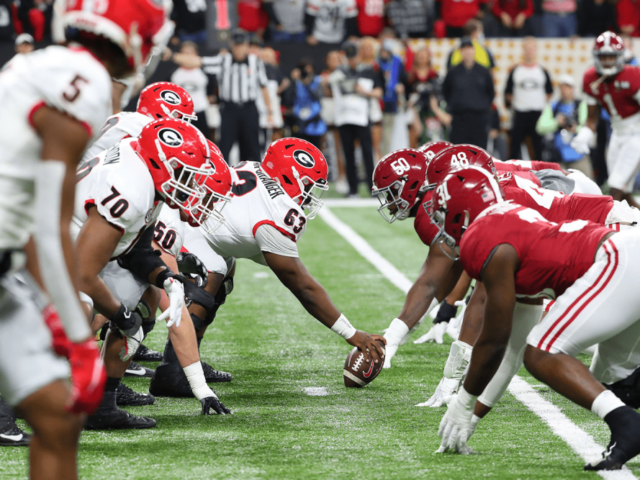
At its core, offside is a foul that occurs when any part of a player’s body is in the neutral zone at the moment the ball is snapped.
The neutral zone is an imaginary space, the length of the football, that separates the offensive and defensive lines. Only the center is allowed to have any part of their body within this zone to handle the ball. The “line of scrimmage” rules are violated by everyone else who crosses that line early.
The Defensive Perspective
Most offside calls happen on defense. Pass rushers often try to “jump the snap” to gain a half-second advantage against an offensive tackle. If their helmet or hand breaks the plane of the ball when the center hikes it, the official throws the flag.
The Offensive Perspective
While rare, the offense can be offside too. This usually happens if a wide receiver or a lineman lines up too far forward. While similar to a “false start,” offensive offside is specifically an alignment error at the moment of the snap.
How Many Penalty Yards Is An Offside Violation?
In the NFL, an offside penalty results in a 5-yard loss.
The game’s situation often amplifies the impact of a 5-yard penalty compared to a 15-yard personal foul. The offense’s 5-yard gain on 3rd-and-4 initiates a new set of downs, thereby prolonging a drive that should have concluded.
Are Offsides an Automatic First Down in American Football?
No, offside is not an automatic first down. This is a common point of confusion for fans.
Offside is a yardage penalty only. It only results in a first down if the 5 yards awarded are enough to cross the original “line to gain.” For example:
- 3rd and 3: An offside penalty results in a first down (because 5 > 3).
- 3rd and 10: An offside penalty results in 3rd and 5 (the down is repeated).
The “Triple Threat”: Offside vs. Encroachment vs. Neutral Zone Infraction
Distinguishing between the different pre-snap flags is one of the hardest parts of learning your position in American gridiron football.
| Penalty | Status | The Definition |
|---|---|---|
| Offside | Live Ball | A player is in the zone at the snap. The play continues. |
| Neutral Zone Infraction | Dead Ball | A defender moves and causes an offensive player to flinch. |
| Encroachment | Dead Ball | A defender makes physical contact with an opponent before the snap. |
Why the Whistle Blows
Referees sound the whistle to ensure safety. If a defender makes contact (encroachment) or causes a “false start” reaction (neutral zone infraction), they kill the play immediately. If a player simply positions themselves incorrectly, the play proceeds as a standard offside, resulting in the well-known “free play.”
Why Do Some Teams Get Offside?
Professional teams are highly disciplined, yet offside penalties remain common. Why?
- The Hard Count: Elite QBs like Patrick Mahomes use a “hard count”—a sudden, loud vocal signal—to trick defenders into thinking the ball is being snapped.
- The Silent Count: In loud stadiums, defenders must watch the ball instead of listening. This split-second visual delay often leads to mistimed jumps.
- Aggression: Modern pass rushers are coached to be explosive. If they aren’t occasionally pushing the limit of the offside rule, they aren’t being aggressive enough.
What happens if there is an offside on a field goal attempt?
An offside flag during a field goal is a “win-win” for the offense.
- If the kicker makes the field goal, the offense can choose to take the 3 points and decline the penalty.
- If the kicker misses, the offense accepts the 5-yard penalty and tries the kick again from a closer distance.
- If the 5 yards give the offense a first down, the coach will often pull the kicker off the field and try to score a touchdown instead.
What Happens If There Are Offside on a Punt Attempt?
On a punt, the 5-yard penalty is often a “drive killer” for the offense. If it is 4th and 4 and the defense jumps offside, the offense is awarded 5 yards and a first down. This allows the offense to keep their stars on the field and continue the drive.
What happens if the defense is offsides close to the goal line?
When the offense is inside the opponent’s 10-yard line, a 5-yard penalty could cross the goal line. To prevent this, the NFL uses the “Half the Distance” rule.
- If the ball is on the 4-yard line, an offside penalty moves it to the 2-yard line.
- This not only shields the defense from a touchdown penalty, but also provides the offense with a more straightforward route to score.
Can a defender continue getting offsides to prevent the offense from scoring?
Some fans question whether a team can “cheat” by repeatedly jumping offside to waste time or frustrate the offense. The NFL has a specific rule for this: Rule 12.3.2 (The Palpably Unfair Act).
If a referee believes a team is intentionally and repeatedly committing fouls to manipulate the game, they have the authority to award the offending team an automatic touchdown.
2026 Discipline Analysis: Who are the Offenders?
Data from the 2025-2026 season shows that discipline is a coaching hallmark.
- The Denver Broncos & Dallas Cowboys: These teams led the league in presnap penalties last season. Their aggressive defensive styles often result in more offside flags.
- The San Francisco 49ers: Conversely, the 49ers consistently rank among the most disciplined, rarely giving away “free yards” to their opponents.
How Does the Referee Signal Offside?
When a referee sees an offside, they throw their yellow flag in the air. If the play is not blown dead, the official will wait until it ends and then perform the signal. Hands on hips.
The lead official then announces, “Offside on the defense, Number 97. This results in a five-yard penalty.” Repeat the down.”
Frequently Asked Questions (FAQs)
What if a defender jumps offside but gets back in time?
If a defender enters the neutral zone but manages to scramble back to their side before the ball is snapped (and without causing an offensive player to move), no penalty is called. This is often called “resetting” the line.
Can you be offside on a kickoff?
Yes. On a kickoff, the kicking team must stay behind the ball until it is struck. If they run past the kicker before the ball is in the air, they are called for offside, and the kick is usually redone 5 yards further back.
Could you please explain the significance of the “Unabated to the QB” rule?
This rule was created for quarterback safety. If a defender has a “clean run” at the QB because they jumped so early, the refs blow the whistle to prevent a high-speed collision that could result in an injury to the league’s most valuable players.
Can a player be offside from a corner kick?
No, a player cannot be offside directly from a corner kick.
Does the goalkeeper count as one of the two opponents in the offside rule?
Yes, the goalkeeper is typically the last opponent, with an outfield player being the second-last.
Can a player be offside if they receive the ball from an opponent?
No, a player cannot be offside when receiving the ball directly from an opponent, regardless of their position.
Is it offside if a player in an offside position doesn’t touch the ball?
A player can be penalized for interfering with play or an opponent while in an offside position.
How accurate is VAR in determining offside?
VAR can measure offside to within a few millimeters, but debates continue about whether such precision is necessary or beneficial to the game.
Final Thoughts
The offside rule is the perfect example of why football is called a “game of inches.” A single helmet an inch too far forward can gift an opponent a first down or a “free” touchdown. For fans, understanding these nuances makes the game more rewarding to watch. For players, it’s the difference between a championship and a long walk back to the locker room.
